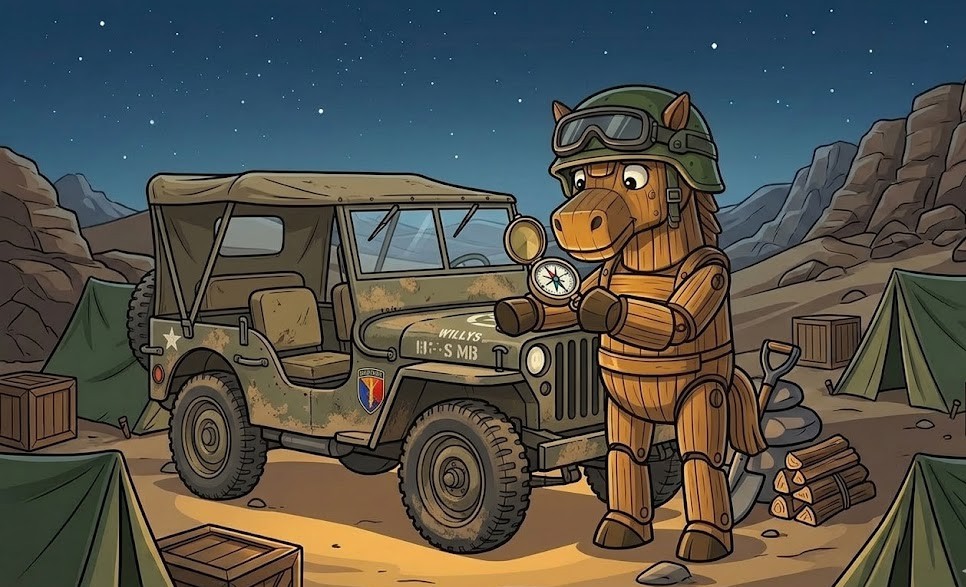
A GPS is helpful because it removes much of the guesswork from navigation, allowing you to focus on the journey rather than worrying about where you are.
Why carry a GPS?
Know your exact location – No more estimating your position on a map or wondering if you're still on the trail.
Stay on course – Track your route, follow waypoints, and avoid unnecessary detours.
Find your way back – Mark camp, your vehicle, water sources, or other key locations and navigate directly back to them.
Improve safety – If conditions change due to weather, darkness, or terrain, a GPS can help prevent you from becoming disoriented.
Track progress – Monitor distance traveled, elevation changes, speed, and time on the trail.
Emergency assistance – Many modern GPS devices include satellite communication and SOS features, providing a lifeline when cell service is unavailable.
That said, GPS should be viewed as a powerful tool—not a substitute for basic navigation skills.
"Batteries die, signals fail, and technology breaks. A map and compass remain the ultimate backup."
The most prepared outdoorsmen use both: GPS for convenience and efficiency, and traditional navigation skills for reliability when it matters most. A GPS can tell you where you are; knowledge ensures you know what to do next.