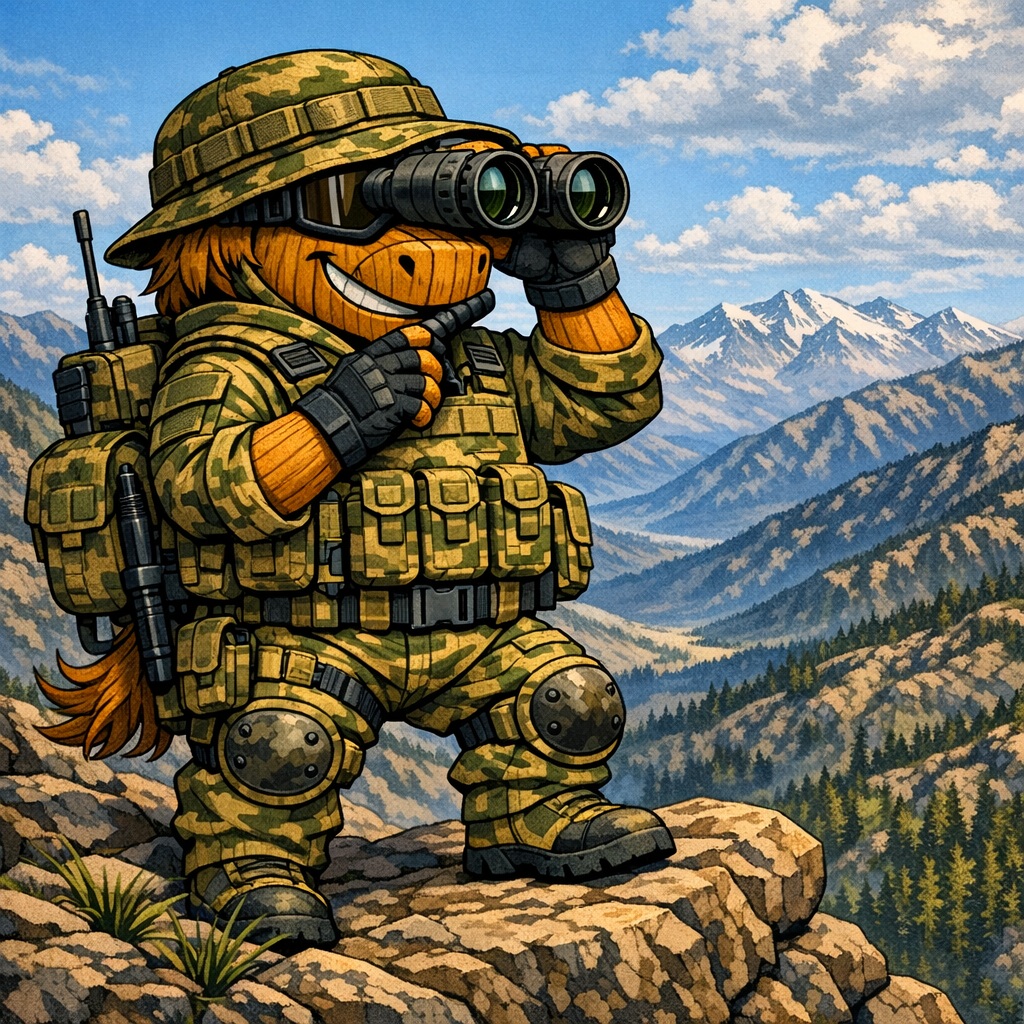
Advanced tools like optics aren’t just “nice to have” in a survival situation—they can dramatically expand your awareness, which is often the difference between reacting to danger and avoiding it altogether.
At the most basic level, optics (binoculars, spotting scopes, rifle scopes) extend your vision far beyond what your eyes can do. That means you can scout terrain, locate water sources, identify shelter, or spot wildlife without physically exposing yourself. In survival, conserving energy and minimizing risk are critical—optics help you do both.
They also act as an early warning system. Being able to detect movement or threats at a distance—whether it’s a dangerous animal, worsening weather, or even other people—gives you time to decide your next move instead of being forced into a split-second reaction.
Another overlooked advantage is decision-making. Optics let you gather better information before committing to a path. Instead of hiking miles toward something uncertain, you can confirm whether it’s worth the effort. That kind of informed choice can save calories, time, and potentially your life.
There’s also a psychological edge. When you can clearly see what’s ahead, the unknown becomes manageable. That clarity reduces stress and helps you stay focused, which is just as important as any physical tool.